Advising
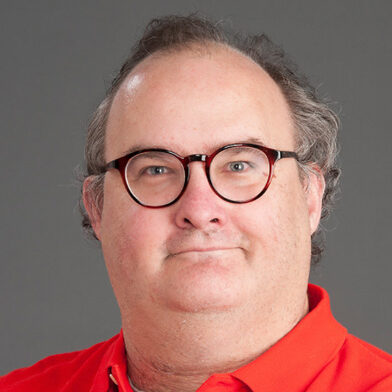
Freddie Salsbury serves as Graduate Program Director for Physics at Wake Forest University. This page is a starting point for program planning and advising conversations; the official Physics program pages, Graduate Bulletin, and Graduate Student Handbook remain the authoritative sources for requirements and deadlines.
Find the right starting point
Prospective students
Explore graduate study in Physics
Start with the graduate-program overview, then review the M.S., Ph.D., and application pages.
Current students
Plan requirements and milestones
Use the current Graduate Student Handbook, Graduate Bulletin, and course listings.
Interdisciplinary training
Structural & computational biophysics
Students working across physics and biomedical science can explore the Structural and Computational Biophysics training program.
Pre-health advising
Freddie Salsbury serves as Assistant Director of Health Professions, advising all first-year premedical students and first-generation premedical students throughout their undergraduate years. Pre-health planning complements a student’s regular academic and major advising: the goal is to connect professional interests with a thoughtful academic plan while keeping the student’s broader education in view. Current responsibilities and appointment information are maintained on the Prehealth @ WFU advisors page.
Early planning
Build a plan that fits the student
Advising conversations can help students explore health professions, consider first-year course choices, and balance prerequisite planning with their strengths, major interests, and other academic goals.
Ongoing preparation
Know when to use specialized guidance
As plans become more specific, students should use Wake Forest's profession-specific advising, programming, and application resources for current requirements and timelines.
Official Wake Forest guidance
Prehealth @ WFU
Use the university's pre-health site for current advising contacts, programming, academic-planning guidance, frequently asked questions, and application resources.
Academics and course planning · Frequently asked questions · Resources
How to prepare for an advising conversation
Bring a short list of the decisions you need to make and the dates that matter. Useful topics include:
- your current degree stage and intended timeline
- course choices and preparation for upcoming milestones
- for pre-health students, the profession or pathway you are exploring and the course-planning question you need to resolve
- research interests, potential advisers, or committee planning
- professional goals and skills you want to develop
- any uncertainty about policies, progress, or next steps
Advising principles
Make the path visible
Translate degree requirements into a practical sequence of courses, research milestones, and conversations.
Revisit the plan
Good advising is iterative. Plans should change when research develops, goals sharpen, or circumstances shift.
Program advising and research mentoring overlap, but they are not identical. For the group’s approach to research development and scientific independence, see Teaching & Mentoring.
Need a conversation?
Start with the question you need answered
Current students should include the relevant program, milestone, and deadline. Prospective researchers should include their scientific interests and preparation.